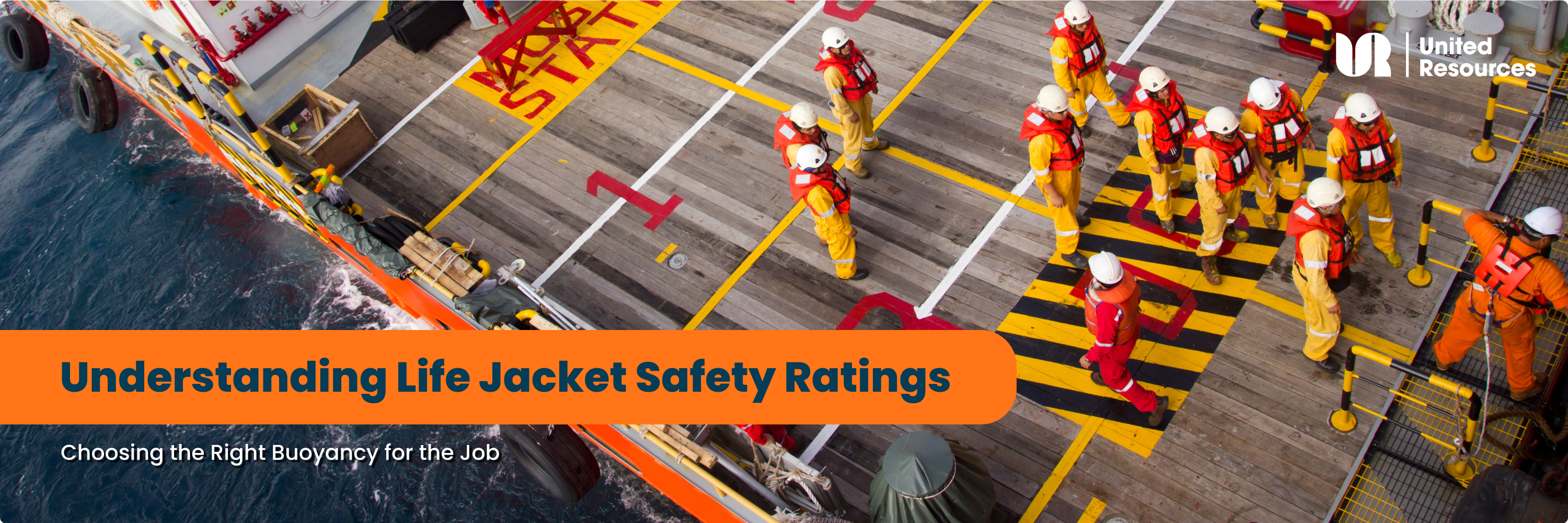
When working offshore, on board a vessel, or around docks and harbours, wearing a life jacket is one of the simplest ways to improve personal safety. However, not all life jackets are the same.
One of the biggest differences between life jackets is their buoyancy rating, which determines how much flotation they provide and the environments they are designed for.
Understanding these ratings helps ensure workers are equipped with the right level of protection for their specific application.
What Does a Life Jacket Rating Mean?
Unlike many pieces of personal protective equipment, life jackets are commonly classified by their buoyancy, measured in Newtons (N).
A Newton is a unit of force. In simple terms, it represents the amount of upward force a life jacket can provide to help support a person in the water.
Generally speaking:
- A higher Newton rating provides more buoyancy.
- More buoyancy helps support heavier loads and bulky clothing.
- Higher ratings are better suited for rougher water conditions.
It is important to note that the rating does not indicate the weight of the person who can wear the life jacket. Instead, it reflects the flotation force available to support both the wearer and any additional weight from their PPE and clothing.
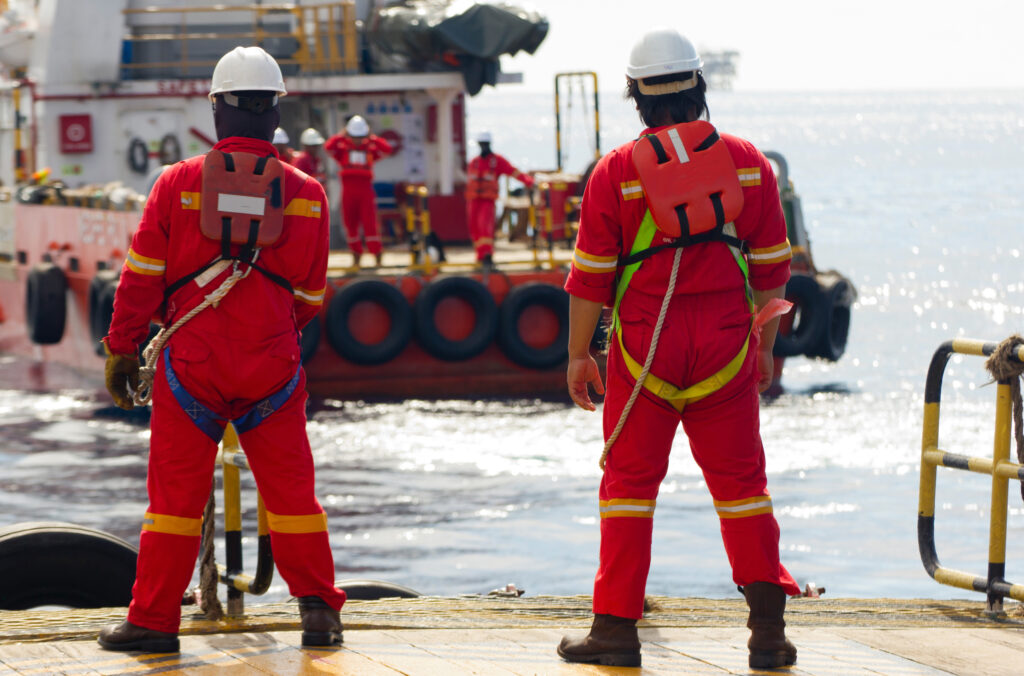
Common Life Jacket Ratings
50N Buoyancy Aids
50N buoyancy aids are intended for competent swimmers operating in sheltered waters where rescue is expected to be nearby.
They are commonly used for:
- Recreational water sports
- Kayaking
- Sailing in protected waters
These are not designed to turn an unconscious person face-up and are generally not suitable for commercial marine work.
100N Life Jackets
100N life jackets provide more buoyancy and are designed for calmer inland or coastal waters.
They are suitable where:
- Rescue is expected reasonably quickly
- Users wear relatively light clothing
- Water conditions are moderate
Many 100N jackets are designed to help rotate an unconscious wearer into a face-up position, although performance can vary depending on clothing and conditions.
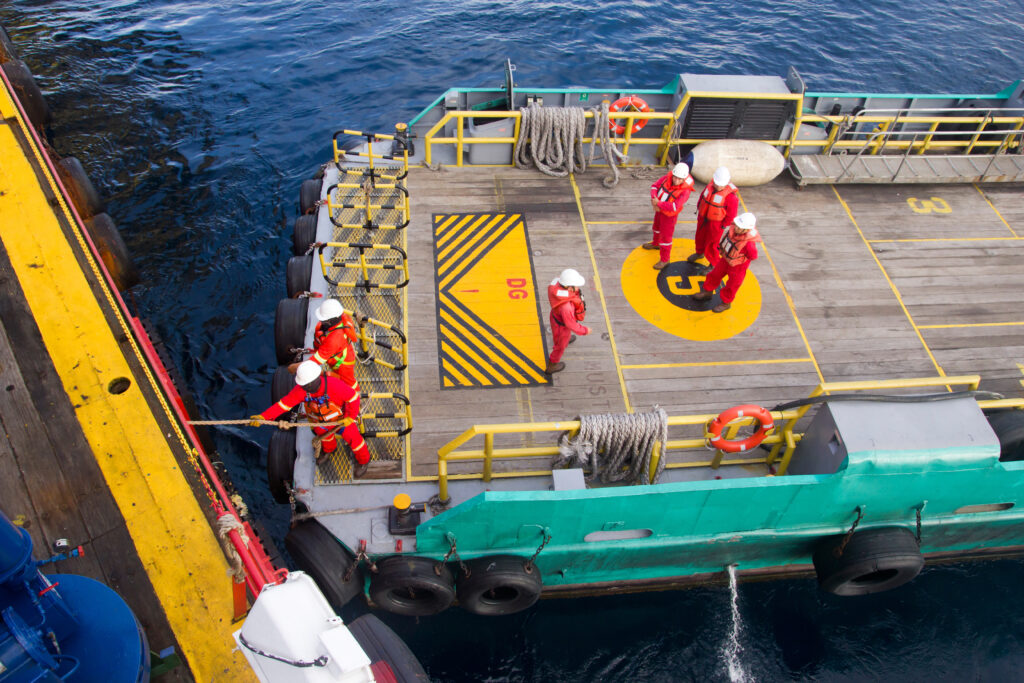
150N Life Jackets
150N is one of the most common ratings used in commercial marine and offshore environments.
These life jackets are designed for:
- Offshore operations
- Commercial vessels
- Marine maintenance
- General industrial marine work
They provide sufficient buoyancy for most users wearing waterproof clothing and can help turn an unconscious person face-up under many conditions.
For many professional marine applications, this option is the preferred balance between protection and comfort.
275N Life Jackets
275N life jackets provide the highest commonly available buoyancy.
They are intended for workers who may be wearing:
- Tool belts
- Immersion suits
- Heavier PPE
- Extra equipment that increases overall weight
These jackets provide additional flotation to compensate for the extra load and are commonly used in demanding offshore environments.
The Bottom Line
Life jacket ratings provide a useful guide to the level of buoyancy a device offers, but selecting the right one requires an understanding of the working environment and the risks involved.
Matching the buoyancy rating to the application helps ensure workers remain protected without compromising comfort or mobility.
At United Resources, we support organisations in selecting marine safety solutions that are fit for purpose, helping teams stay safe whether they are working alongside the water or far offshore.