The ongoing FIFA World Cup has gotten fans worldwide all heated up! But do you know what makes every sprint, tackle, and last-minute goal possible? Heat management.
Modern football is faster and more physically demanding than ever. Teams invest heavily in recovery, hydration, and temperature control to keep players performing at their best.
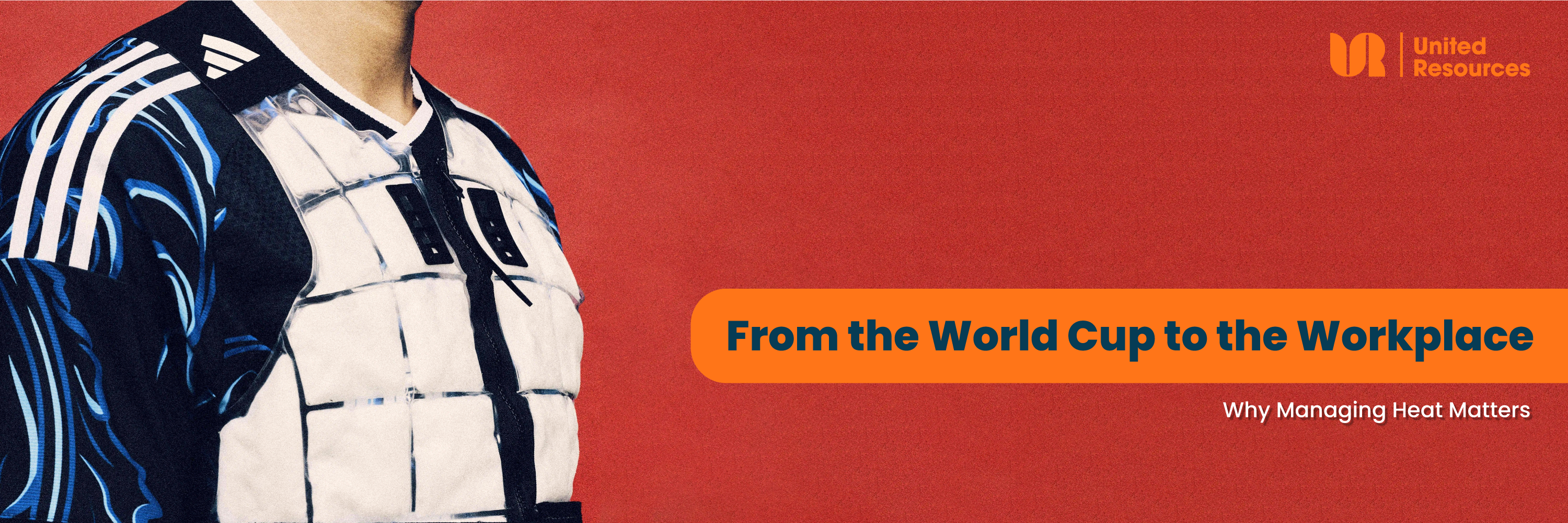
One interesting example is the partnership between adidas and INUTEQ, which brings advanced cooling solutions to the sport to help athletes manage heat stress whenever they hit the field. You may read more about INUTEQ’s cooling solution here:
While most of us are not preparing for ninety minutes on the world’s biggest stage, the lesson applies surprisingly well to the workplace.
Heat Is Not Just Just a Comfort Issue
When temperatures rise, concentration drops.
Reaction times slow. Fatigue builds more quickly. Workers become more susceptible to mistakes due to dehydration, which can escalate to more serious medical conditions.
For marine, industrial, and outdoor operations, heat stress is not an occasional inconvenience. It is a daily operational challenge that affects performance and health.
The symptoms may start small:
- Headaches
- Dizziness
- Excessive sweating
- Muscle cramps
- Reduced focus
If left unmanaged, they can escalate into heat exhaustion or even life-threatening heat stroke.
Just as elite athletes take measures to stay ahead of the heat, workplaces should adopt the same mindset.
Cooling Technology Is Becoming Mainstream
Cooling solutions have evolved significantly over the years.
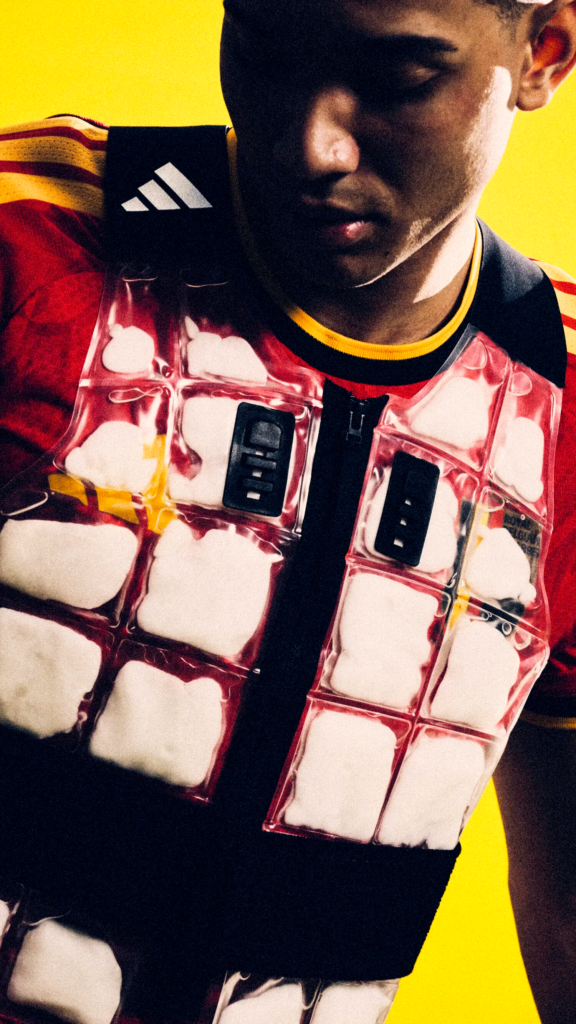
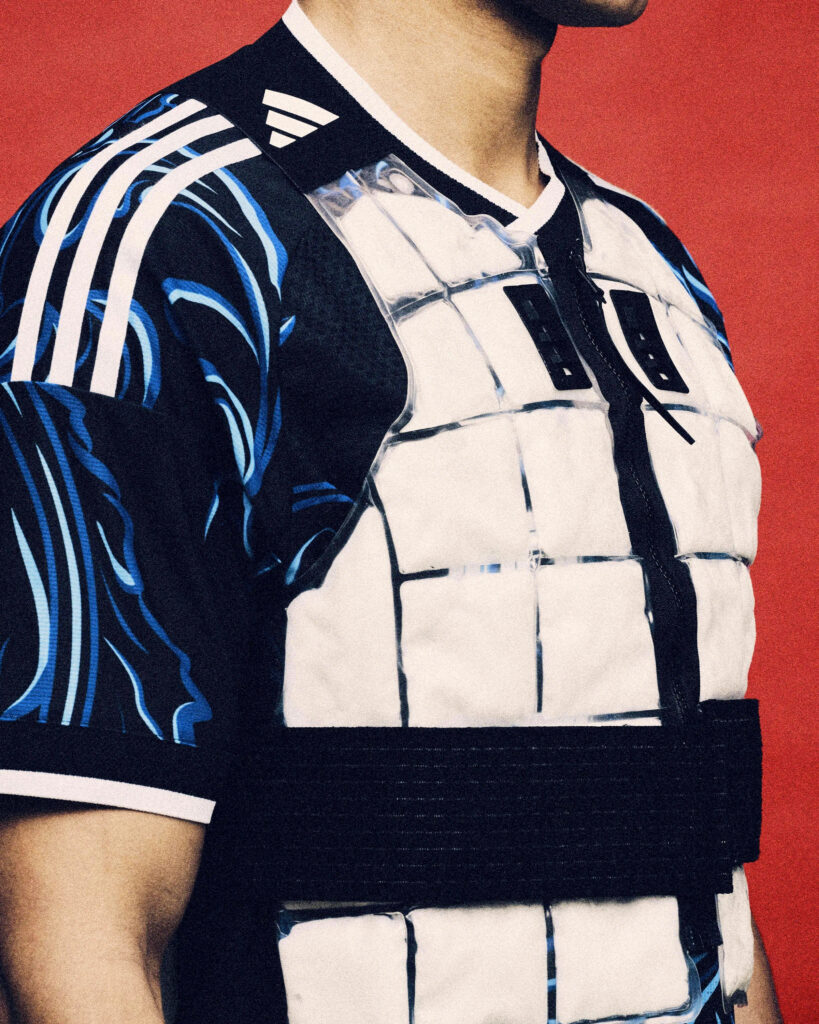
Modern cooling garments, such as those developed by INUTEQ, use technologies including:
- Evaporative cooling
- Phase change materials
- Active cooling systems
These solutions help lower body temperature, reduce fatigue, and improve comfort without restricting movement.
For workers spending long hours under direct sunlight, especially if they are working on vessels, shipyards or construction sites, cooling PPE can provide a meaningful improvement in both wellbeing and productivity.
At United Resources, we support customers with INUTEQ cooling solutions designed for demanding industrial environments.
Prevention Always Beats Treatment
One similarity between professional sports and workplace safety is that prevention is always preferable to recovery.
Football teams do not wait for players to collapse from heat exhaustion before acting. They prepare in advance to stop the accident from ever occurring.
The same principles apply at work:
Stay Hydrated:
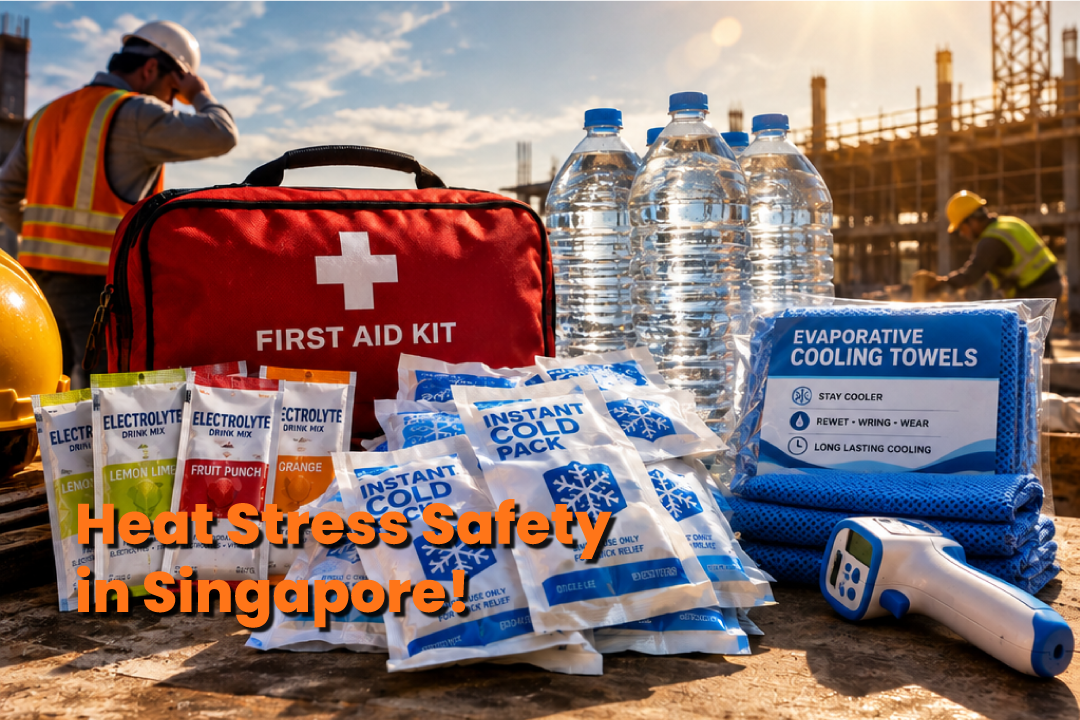
Workers should have regular access to drinking water and be encouraged to hydrate before feeling thirsty.
Schedule Rest Breaks:
Heavy physical tasks should be planned with adequate recovery periods, particularly during the hottest parts of the day.
Monitor Environmental Conditions:
Temperature, humidity, and workload all influence heat stress risk. Be prepared to stop work and provide resources for recovery if necessary.
Use Appropriate PPE:
Cooling vests and breathable workwear can significantly improve comfort and reduce the risk of heat injury.
Train Workers to Recognise Symptoms:
Early recognition remains one of the most effective ways to prevent serious heat-related injuries.
A Winning Strategy
The World Cup reminds us that high performance requires high levels of preparation, support and preventative measures.
Whether you’re defending a one-goal lead in extra time or carrying out maintenance work in tropical conditions, the fundamentals remain the same.
Stay cool. Stay hydrated. Look after your teammates.
Because nobody performs their best when they’re overheating, and in the workplace, staying cool is more than just comfortable: it is a necessity.