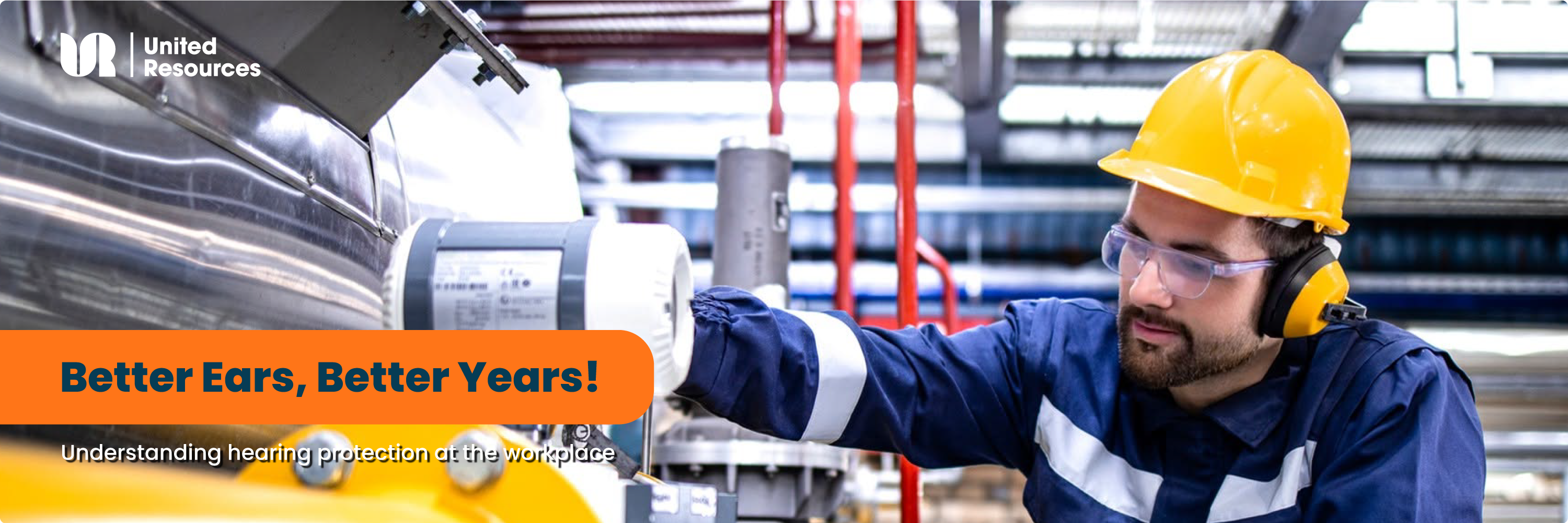
Unlike many workplace injuries, hearing loss happens gradually. There is often no pain, no immediate warning, and no obvious signs until the damage has already occurred.
For workers in marine, manufacturing, construction, and industrial environments, exposure to excessive noise is an everyday reality. Without proper hearing protection, repeated exposure can result in permanent hearing damage that cannot be reversed.
The good news is that hearing loss is largely preventable with the right combination of engineering controls, best practices, and personal protective equipment (PPE).
Why Workplace Noise Matters
High noise levels affect more than just hearing.
Excessive noise can:
- Cause permanent hearing loss
- Lead to tinnitus (ringing in the ears)
- Reduce concentration
- Increase fatigue
- Make communication more difficult
- Prevent workers from hearing alarms or warning signals
These factors can increase the likelihood of workplace incidents, particularly in environments where teamwork and situational awareness are essential.
Common Sources of Workplace Noise
Many industries expose workers to hazardous noise every day.
Common sources include:
- Machinery and production equipment
- Compressors and generators
- Grinding and cutting operations
- Metal fabrication
- Ship engine rooms
- Construction equipment
Even when individual tasks are short, repeated exposure throughout the day can accumulate into harmful levels.

Choosing the Right Hearing Protection
Different work environments require different hearing protection solutions.
Disposable Earplugs
Disposable foam earplugs are suitable for:
- Short-duration tasks
- General industrial environments
- Visitors entering noisy areas
- Workplaces with moderate noise exposure
They are lightweight, economical, and easy to distribute, but they must be inserted correctly to provide effective protection.
Reusable Earplugs
Reusable earplugs are ideal for workers who wear hearing protection regularly.
They offer:
- Improved durability
- Better hygiene for repeated use
- Consistent fit
- Lower long-term waste
These are commonly used by maintenance teams, technicians, and operators who require hearing protection throughout the working week.
Passive Earmuffs
Earmuffs provide reliable hearing protection without requiring insertion into the ear canal.
They are often preferred for:
- High-noise industrial environments
- Workers who frequently remove and replace hearing protection
- Situations where earplugs may be difficult to fit correctly
They also make it easier for supervisors to visually confirm PPE compliance.
Electronic and Communication Earmuffs
Some workplaces require workers to communicate while remaining protected from hazardous noise.
Electronic hearing protection addresses this challenge by combining hearing protection with technology such as:
- Ambient sound amplification
- Noise-cancelling microphones
- Two-way communication
- Mesh communication networks
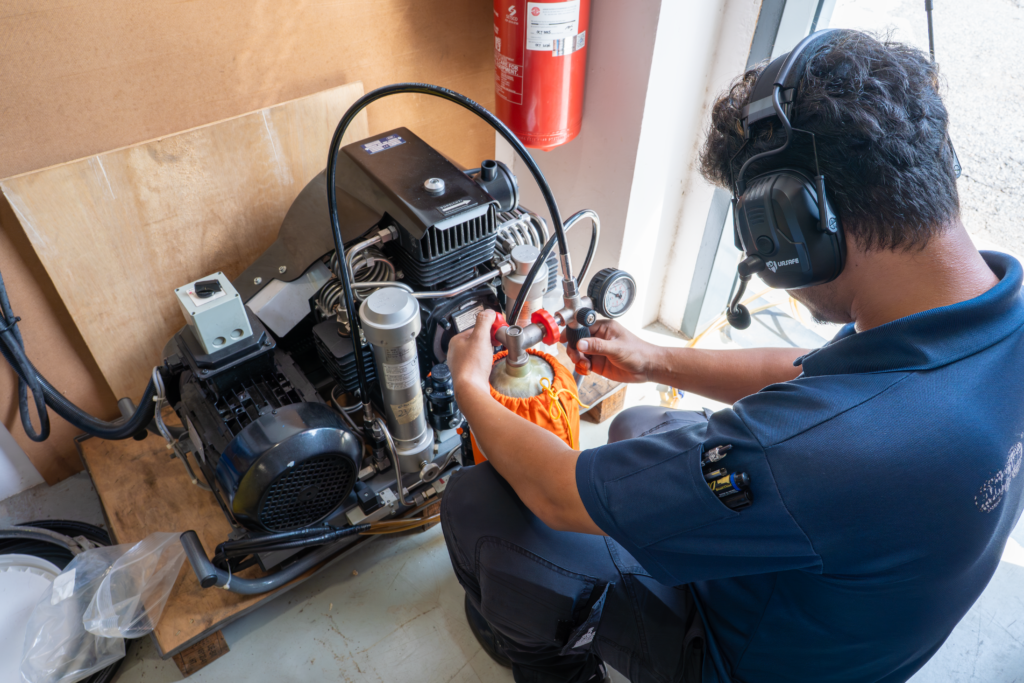
Solutions such as the URSAFE Mesh Communication Earmuffs allow teams to communicate clearly in noisy environments while continuing to hear important warning signals and alarms at safe levels.
These are particularly valuable in:
- Marine operations
- Warehousing
- Heavy industry
- Maintenance work
- Large team operations
Hearing Protection Is More Than PPE
While hearing protection is essential, it should not be the only control measure.
A comprehensive hearing conservation programme also includes:
- Noise assessments
- Engineering controls to reduce noise at the source
- Equipment maintenance
- Administrative controls that limit exposure time
- Worker education and training
- Regular hearing tests where required
PPE should be considered one part of a broader strategy to protect workers from long-term hearing damage.
Comfort Matters Too
Workers are far more likely to wear hearing protection consistently if it is comfortable.
When selecting hearing protection, organisations should consider:
- Communication needs
- Compatibility with helmets and other PPE
- Worker comfort during extended use
The best hearing protection is the one that workers are willing and able to wear correctly throughout their shift.
The Bottom Line
Every workplace has different noise hazards, which means there is no single hearing protection solution for every application.
From disposable earplugs to advanced communication earmuffs, selecting the right PPE helps protect hearing while supporting productivity and workplace safety.
At United Resources, we help organisations identify the most suitable hearing protection for their operations, ensuring workers remain protected without compromising comfort or communication.