
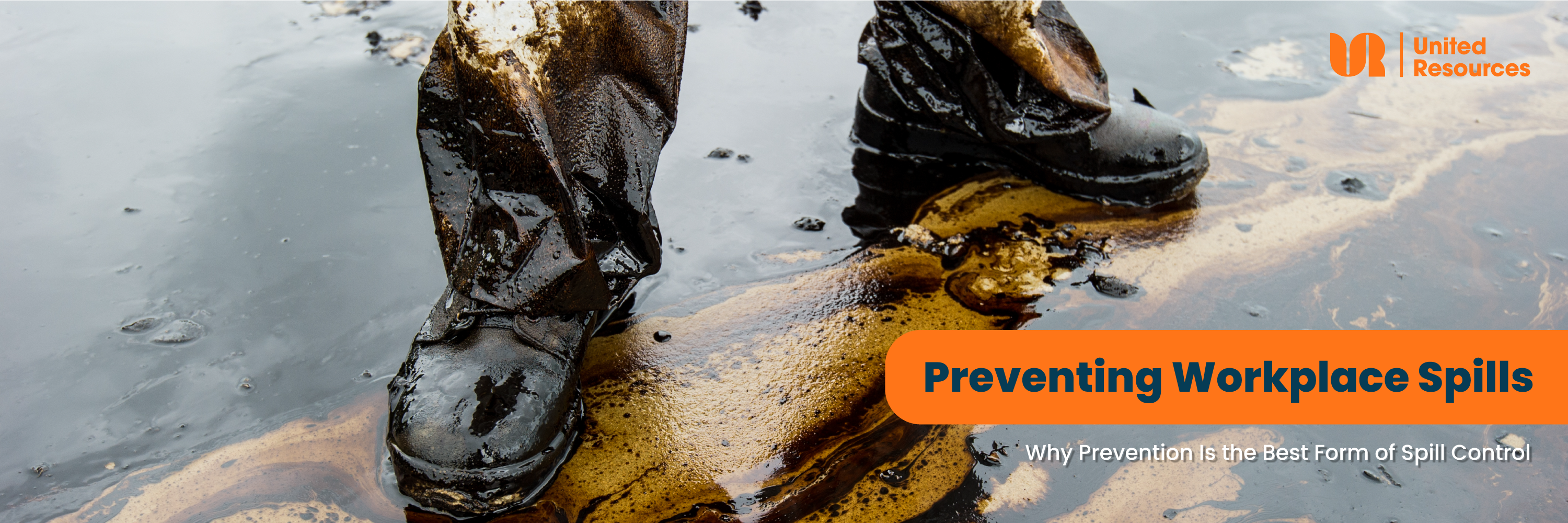
Spills are a common workplace hazard across many industries. It is a common hazard at industrial facilities, shipyards, vessels, warehouses, workshops, and any workplace that deals with liquids. Whether involving oils, chemicals, fuels, or other liquids, spills can create safety risks, environmental concerns, operational disruptions, and financial costs.
While spill kits and emergency response procedures are essential components of workplace safety, the most effective spill control strategy is prevention.
When spills are minimised, workers are spared from the risks and consequences that follow.

The Hidden Cost of Spills
Many people think of spills primarily as a cleanup problem. In reality, the consequences are often more dire than that.
A workplace spill can result in:
- Slip and fall incidents
- Environmental contamination
- Damage to equipment and infrastructure
- Product loss and waste
- Regulatory and compliance issues
And all of this leads to immense operational downtime. Even a relatively small spill can consume significant time and resources once cleanup, reporting, and investigation are considered.
This is why leading organisations focus on preventing spills before they occur.
Common Causes of Workplace Spills
Most spills do not happen because of a single major failure. Instead, they are caused by preventable issues that accumulate over time.
Common causes include:
- Damaged containers or drums
- Worn hoses and fittings
- Improper transfer procedures
- Overfilled containers
- Poor housekeeping
- Inadequate storage practices
- Lack of employee training
Identifying and addressing these risks early can significantly reduce spill incidents.
Building a Prevention-First Approach
Effective spill prevention begins with understanding where and how spills are most likely to occur.
Regular Inspections
Routine inspections help identify leaks and corrosion, allowing you to be aware of damaged containers and equipment wear before they become larger problems.
Storage areas, transfer points, pumps, hoses, and valves should be checked regularly as part of a preventive maintenance programme.
Proper Storage Practices
Safe storage is one of the most effective ways to prevent spills.
This includes:
- Using appropriate containers
- Segregating incompatible chemicals
- Storing materials on stable surfaces
- Clearly labelling products
- Protecting containers from physical damage
Good storage practices reduce the likelihood of accidental leakages. And as a bonus, they simplify inventory management.
Secondary Containment
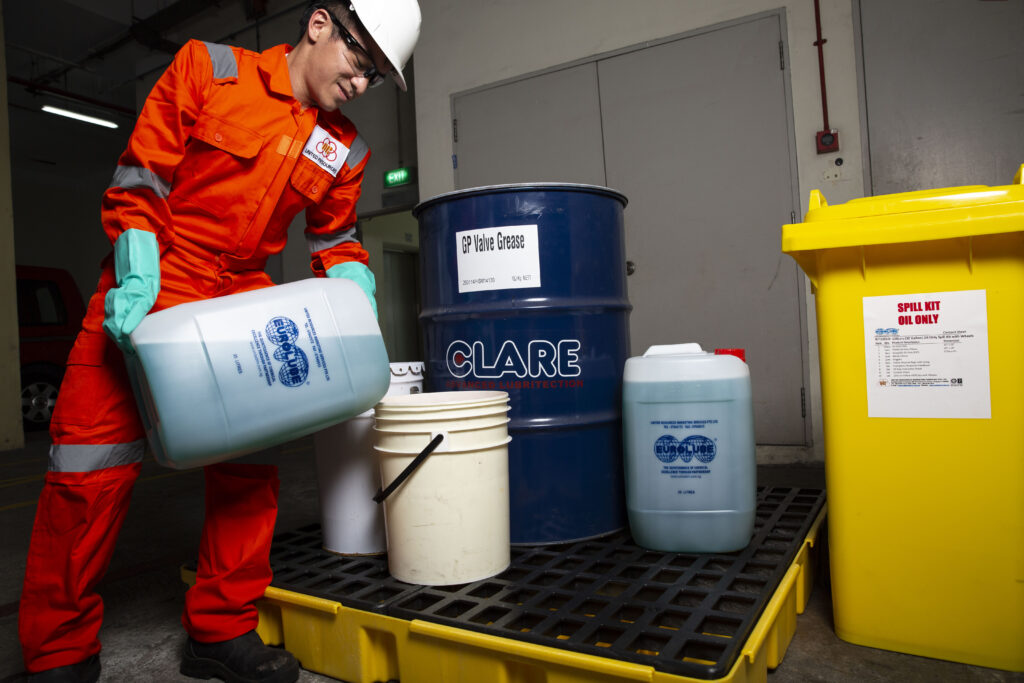
Secondary containment systems provide an additional layer of protection if the main container develops a leak.
Examples include:
- Spill pallets
- Bunded storage areas
- Drip trays
- Containment berms
These systems help prevent breached liquids from spreading into its surroundings.
Good Housekeeping
A clean workplace is often a safer workplace.
Removing clutter, maintaining clear access routes, and addressing small leaks immediately helps reduce the chances of larger spill incidents developing over time.
Employee Training
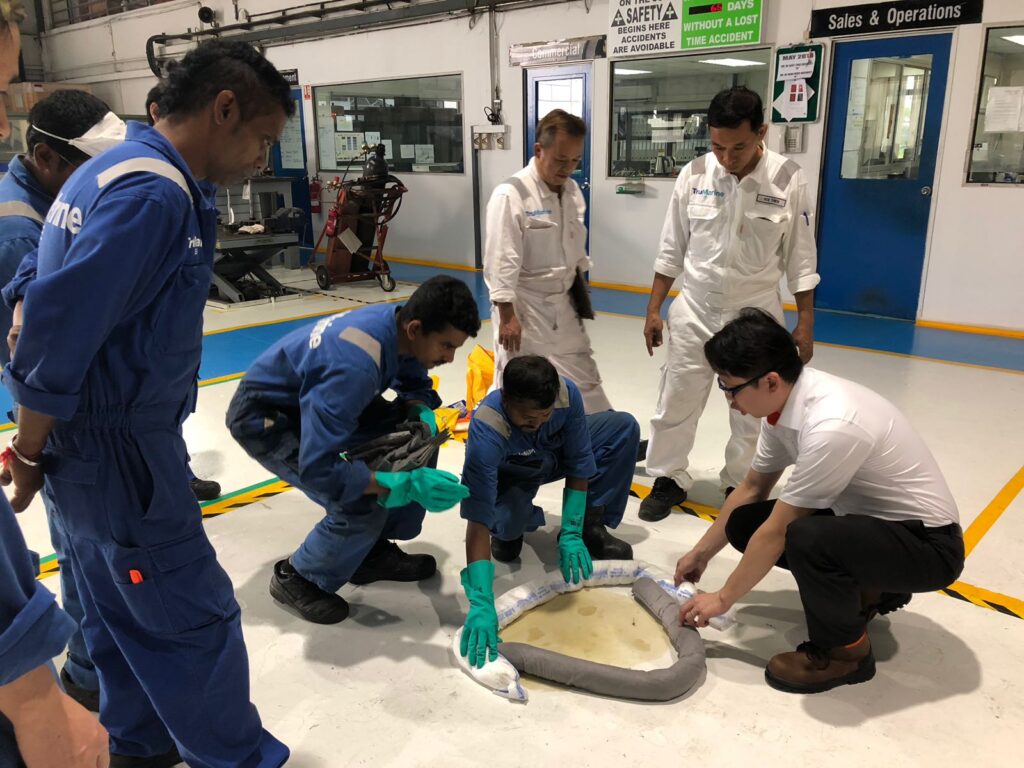
Even the best equipment cannot compensate for a lack of awareness.
Workers should understand the following about their workplaces:
- Proper handling procedures
- Safe transfer methods
- Storage requirements
- Early signs of leaks and equipment failure
- Emergency response procedures
Regular training reinforces good habits and helps employees recognise potential problems before they escalate.
Where Spill Kits Fit In
Spill kits remain an essential part of workplace preparedness.
While spill kits contain the items needed to contain and clean up spills when prevention measures fail, they should always be viewed as part of a larger spill management strategy and not the primary solution. A workplace that relies solely on spill kits is focusing on response rather than prevention.
The goal should always be to minimise the number of spills that require cleanup in the first place.
Creating a Culture of Prevention
Spill prevention is not just about equipment and procedures. It is also about mindset.
When workers are encouraged to report leaks, inspect equipment, maintain good housekeeping, and follow proper handling procedures, prevention becomes part of the workplace culture.
Small actions, when performed consistently, prevents major incidents from occurring.
The Bottom Line
Spill control is often associated with items like absorbents, containment socks, and cleanup equipment. While these tools are important, they represent the final stage of spill management.
The most effective spill control programme begins much earlier through inspection, maintenance, proper storage, training, and risk awareness.
Why? Because the safest spill is the one that never gets a chance to exist.