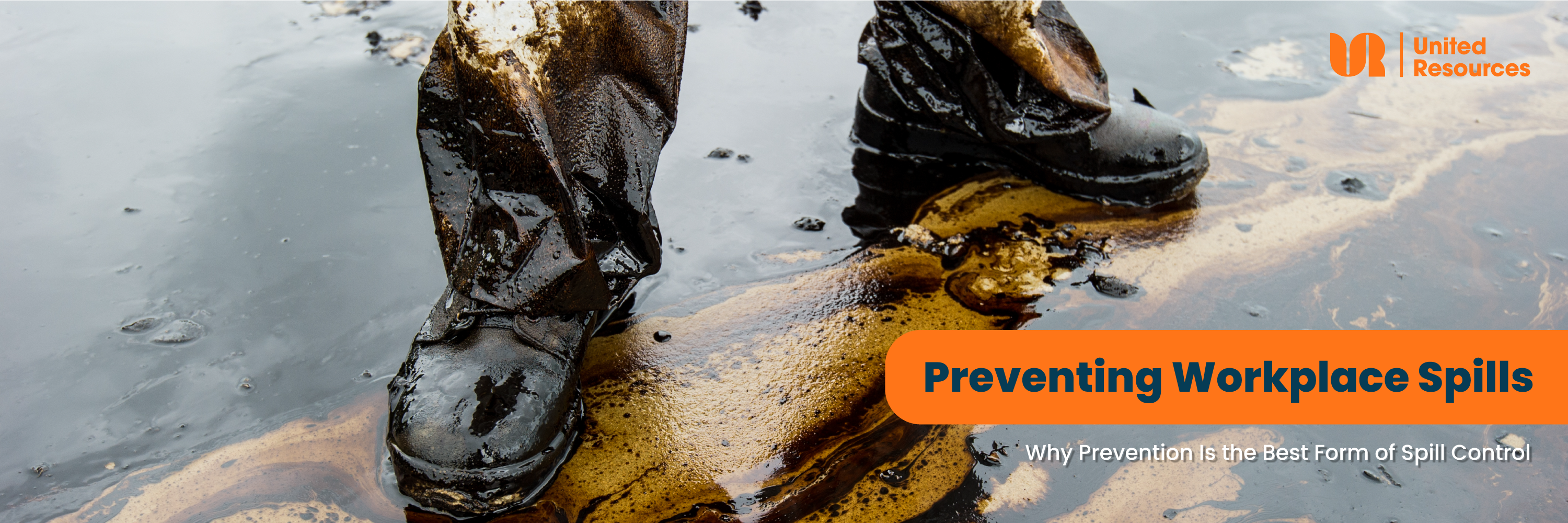
A spill can happen in seconds. A proper response? That takes groundwork and prep that easily spans days and weeks. So why not start planning now?
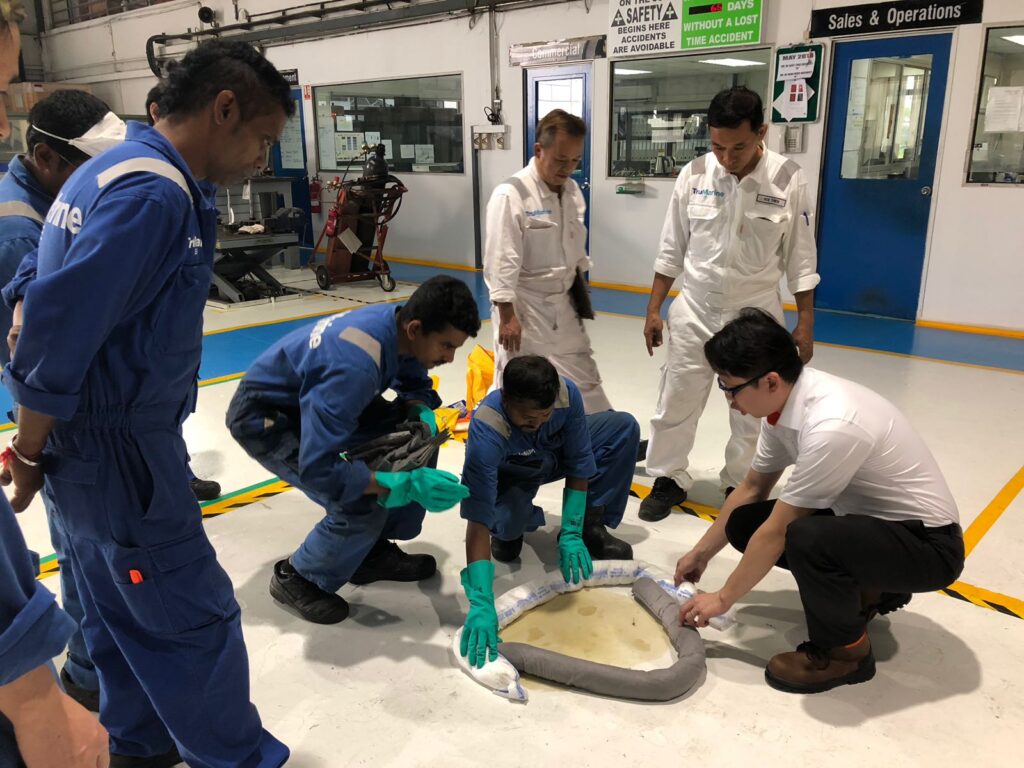
Your workplace should be ready for an effective spill response. When every worker is on board and armed with the right equipment, casualties and asset damage can be kept as low as possible.
A useful way to approach spill response is through the following 10-step methodology.
-
Stop and Assess
Before rushing towards a spill, stop and assess the situation.
What has been spilled? How much has been released? Where is it going? Is anyone exposed to the substance? If the substance is unknown, do not assume it is safe. Refer to documentation and consult workers who engage directly with the substance for clarification.
-
Raise the Alarm
Notify the appropriate personnel and alert anyone who may be affected. For larger or toxic spills, activate the site’s emergency alarm systems. An early warning can prevent people from accidentally entering the affected area, reducing casualties.
-
Identify the Substance
Knowing the type of spill you are dealing with informs the methodology and equipment used to control it. Check labels, container markings and the relevant Safety Data Sheet (SDS). Different substances require different absorbents, PPE and disposal methods. For example, an oil-only absorbent is designed for hydrocarbons and is not automatically suitable for every chemical spill.
-
Isolate the Area
Keep unnecessary personnel away from the spill. Use barriers, cones, warning signs or other controls to prevent people from walking through the affected area or coming into contact with the substance. This is particularly important when the spill creates slip, exposure or fire hazards.
-
Put on the Correct PPE
PPE should be selected based on the substance and the hazards identified during the assessment. Depending on the spill, this may include chemical-resistant gloves, protective eyewear, coveralls, safety footwear and respiratory protection.
-
Stop the Source
Where it is safe to do so, stop or reduce the source of the spill. This could involve closing a valve, uprighting a container, stopping a transfer operation or isolating equipment.
There is little point in cleaning up a spill while the source is still releasing more material.
-
Contain the Spill
Prevent the spill from travelling further. Absorbent socks, booms, bunds and other containment products can be positioned around the spill to create a controlled boundary.
Pay particular attention to drains, waterways and other pathways through which a spill could spread.
-
Absorb and Recover
Once the spill is contained, use the appropriate absorbent material to recover the liquid. Select pads, rolls, pillows and/ or loose absorbents, according to the size and type of spill. For larger spills, mechanical recovery or specialised equipment may be more appropriate.
The objective is not simply to make the surface look clean. The substance needs to be completely removed and collected for appropriate disposal.
-
Clean and Inspect
After the bulk of the spill has been recovered, clean the affected area using the appropriate method. Inspect floors, equipment, drains and surrounding areas to ensure there is no remaining contamination or slip hazard.
Do not remove barriers until the area has been confirmed safe.
-
Dispose, Report and Prevent
The response does not end when the floor is clean. Used absorbents and contaminated materials must be handled and disposed of according to the substance and applicable site requirements.
The incident should also be documented and investigated where appropriate.
Most importantly, ask:
Why did the spill happen, and how can we prevent it from happening again?
Perhaps a hose needed replacing. A vulnerable container needed better secondary containment. A transfer procedure needed updating. Or workers required additional training. This final step turns spill response into spill prevention.
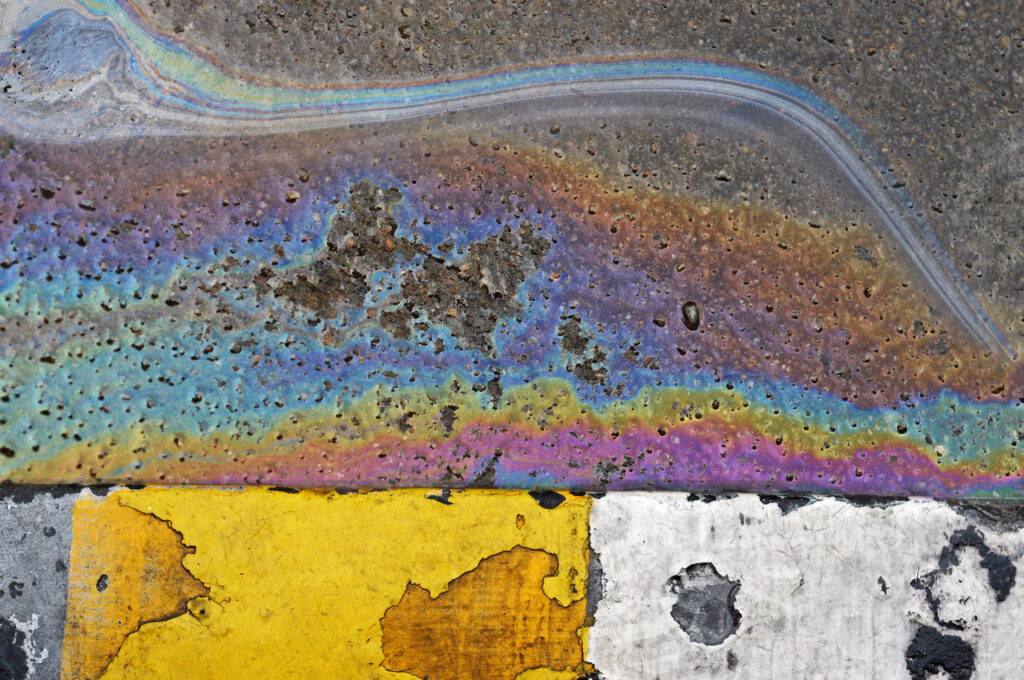
Prevention Is the Best Spill Control
A 10-step spill plan is an important part of workplace preparedness, but prevention is far better than cure. Good spill control starts with identifying where spills could occur and putting controls in place before they do.
This includes:
- Regular inspection and maintenance of equipment
- Proper storage and handling of liquids
- Secondary containment
- Clear labelling
- Good housekeeping
- Appropriate transfer procedures
- Worker training
- Appropriate spill response equipment that’s accessible
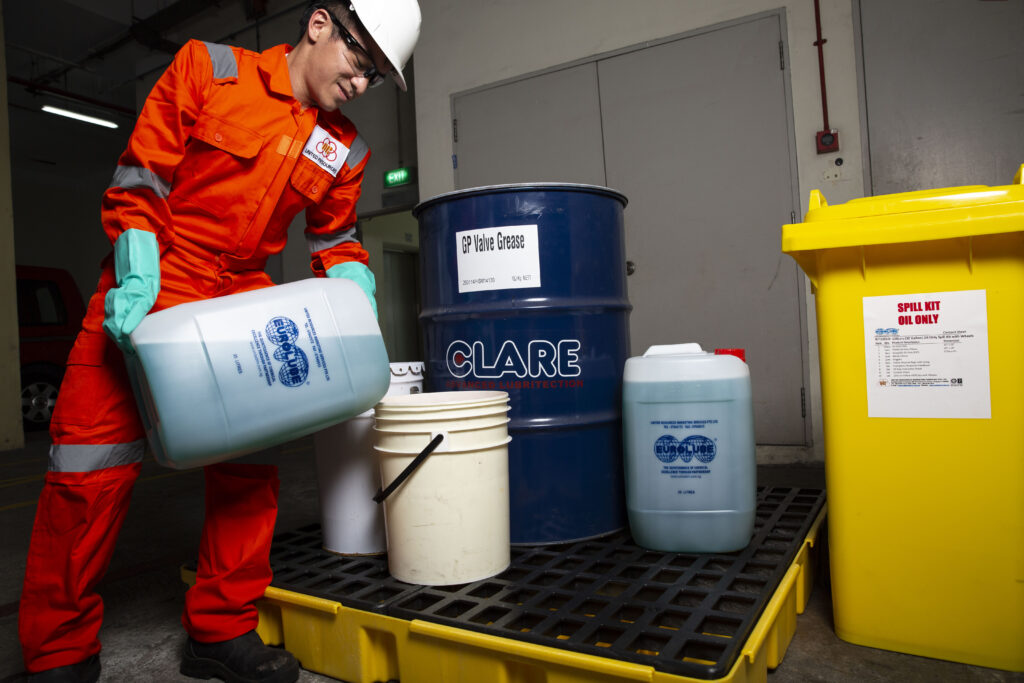
At United Resources, our Spill Control solutions help organisations prepare for different spill scenarios with appropriate absorbents, containment products, spill kits and response equipment.
Remember: the best spill response is the one that is never allowed to happen.