Our hands are among the most frequently used tools in any workplace, which also heightens the risk of injury. Cuts, abrasions, chemical exposure, burns, and impact injuries are common risks across many industrial workplaces.
That is why selecting the correct safety glove is critical. Different hazards require different materials, designs, and protection levels.
Why the Right Glove Matters
A glove that works well for one task may be unsuitable for another.
For example:
- A cut resistant glove may not provide chemical resistance for working in a laboratory
- A chemical glove may reduce dexterity during precision work such as manufacturing
- Thick thermal gloves may affect grip and handling on an oil rig
Choosing the correct glove improves worker safety in ways that go beyond simple PPE compliance. They are comfortable and dexterous enough for workers to accomplish their tasks, giving them confidence and increased productivity.
-
Cut Resistant Gloves
Cut resistant gloves are designed to protect workers from sharp edges, blades, sheet metal, and abrasive materials.
These gloves are commonly used in:
- Fabrication work
- Metal handling
- Glass handling
- Maintenance operations
- Warehousing and logistics
Modern cut resistant gloves often combine protection with flexibility to reduce hand fatigue during prolonged use.
Solutions from uvex are designed to provide strong cut protection while maintaining comfort and grip.
-
Chemical Resistant Gloves
Chemical resistant gloves protect against hazardous liquids such as solvents, oils, and corrosive substances.
Different glove materials has slightly different properties:
- Nitrile: high puncture and chemical resistance
- Latex: good comfort and tactile sensitivity
- Vinyl: lower protection levels but very affordable
These gloves are commonly used in:
- Chemical transfer operations
- Cleaning and maintenance
- MRO work, especially for marine industries
- Laboratory environments
Choosing the wrong glove material can lead to chemical permeation which increases the risk of serious injury for workers.
-
Impact Protection Gloves
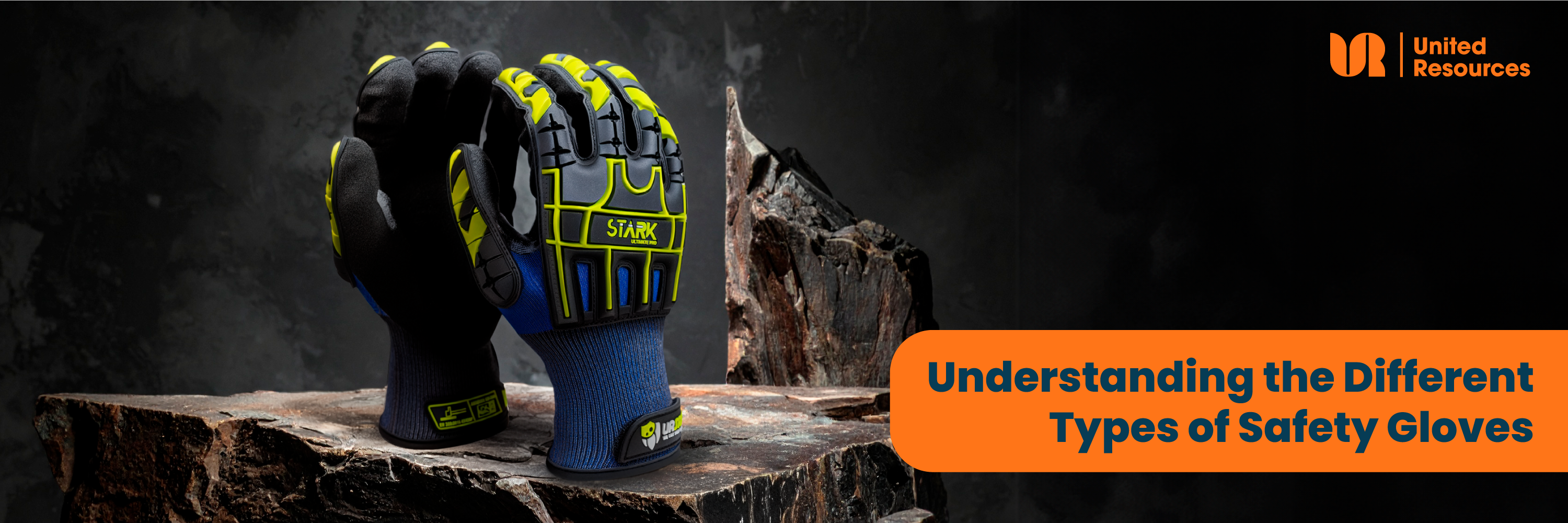
Impact gloves are designed with reinforced protection on the back of the hand and fingers to reduce injuries from knocks, crush hazards, and vibrations.
Typical applications include:
- Rigging and lifting
- Oil and gas operations
- Heavy equipment handling
- Mechanical maintenance
These gloves help absorb and disperse impact while maintaining grip and flexibility.
-
Heat Resistant Gloves
Heat resistant gloves protect workers from high temperatures, sparks, and hot surfaces.
They are commonly used in:
- Welding
- Hot work
- Furnace operations
- Engine maintenance
These gloves are rated for their heat level contact exposure time.
-
General Purpose Gloves
General purpose gloves provide basic protection against minor abrasions, dirt, and handling risks.
They are suitable for:
- General maintenance
- Warehouse work
- Material handling
- Everyday operational tasks
These gloves prioritise comfort, grip, and usability for routine work.
Beyond Protection: Comfort and Usability
Workers are more likely to wear PPE correctly when it is comfortable and practical. When a glove is breathable, flexible and fit well, workers are likely to use them consistently over long periods of time.
This is why modern glove selection is no longer only about protection levels. It is also about ensuring workers can and will use them daily, keeping their hands protected.
Selecting the Right Glove for the Job
At United Resources, glove selection is approached based on:
- Application type
- Hazard exposure
- Work environment
- Comfort requirements
- Compliance standards
The goal is not simply to provide PPE, but to ensure workers have protection suited to the real operating conditions they face daily.
The Bottom Line
There is no universal glove that performs exceptionally for every task. Effective hand protection comes from understanding the hazards involved and matching them with the correct solution.