Noise is a constant factor in many industrial, marine, and maintenance environments. Prolonged exposure to high noise levels can lead to hearing damage, reduced concentration, and increased safety risks.
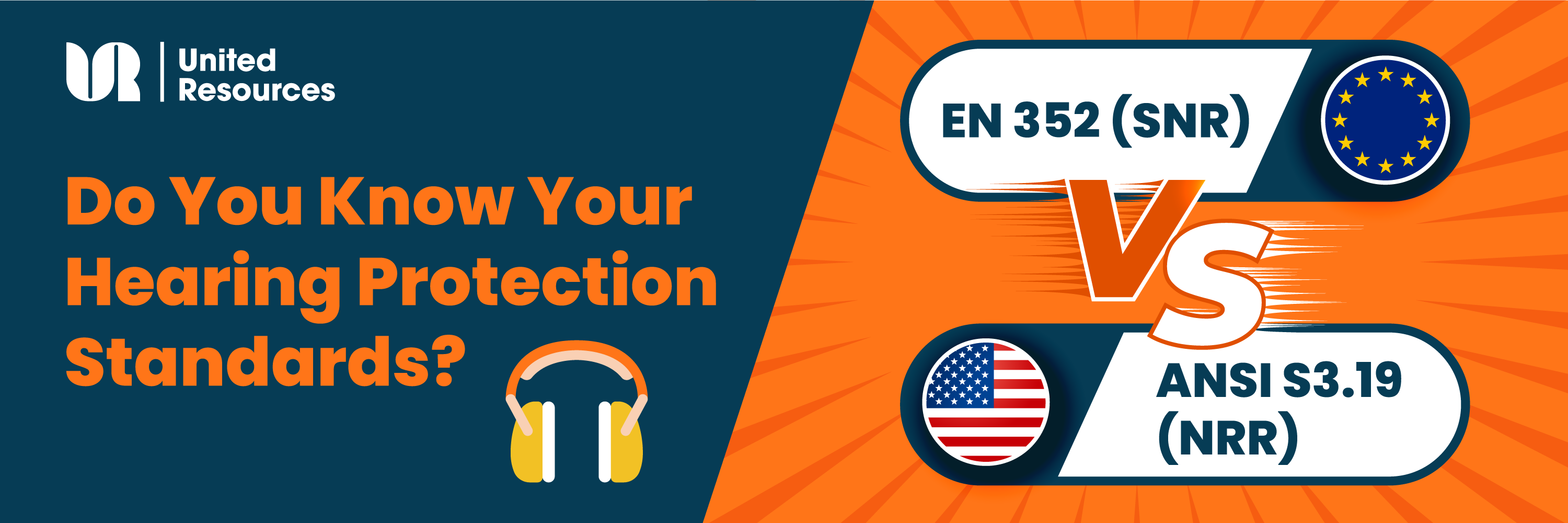
Hearing protection is essential but understanding how it is rated is just as important. Two of the most common metrics are SNR (Single Number Rating) and NRR (Noise Reduction Rating). While they serve a similar purpose, they are not directly interchangeable.
What Is SNR?
SNR, or Single Number Rating, is a European standard used to indicate the level of noise reduction provided by hearing protection equipment.
It is calculated as an average attenuation across a range of frequencies and is expressed in decibels (dB). A higher SNR value indicates greater potential noise reduction.
SNR is commonly used in regions that follow European safety standards and is widely seen in marine and industrial sectors.
To determine the amount of hearing protection your PPE provides, simply subtract its SNR rating from the noise level of your workplace. Add 4 decibels to the noise level of your workplace to account for real-world uncertainties.
What Is NRR?
NRR, or Noise Reduction Rating, is based on US testing standards. It also measures the effectiveness of hearing protection but uses a different calculation method.
NRR values are often adjusted in real-world applications. A commonly used approach is to subtract a safety factor to account for imperfect fit and usage conditions. This means the effective noise reduction may be lower than the stated ratings. Often, 3dB would be subtracted from earplugs and 7dB for headphones, to account for the aforementioned variables.
Key Differences Between SNR and NRR
While both metrics measure noise attenuation, there are important differences:
- Testing Standards
SNR follows European testing protocols, while NRR follows US standards. - Calculation Method
SNR provides a direct average value. NRR often requires adjustment for real-world use. - Application
SNR is commonly used in international and marine contexts. NRR is widely used in US-based industries.
Because of these differences, it is important not to directly compare SNR and NRR values without understanding how they are derived.
Beyond Ratings: Real-World Performance
Noise reduction ratings provide a baseline, but actual performance depends on several factors:
- Proper fit and seal of the earmuffs
- Duration of use
- Type of noise (continuous vs intermittent)
- Worker movement and environment
In high-noise environments, over-isolation can also become a risk. Workers still need to hear alarms, warnings, and team communication.
The Importance of Hearing Protection
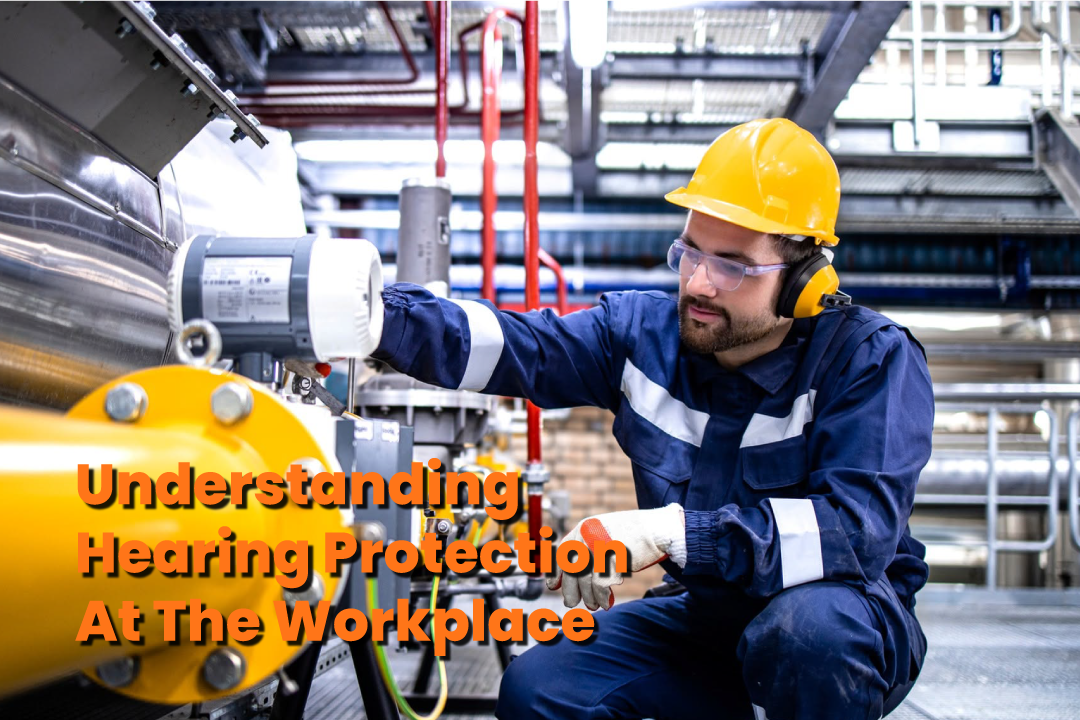
In certain industries, loud noises are a permanent feature of the workplace. However, the damage it can do to workers can be just as permanent if the adequate measures are not taken.
During the first half of 2025, noise-related hearing deafness was the most common OD in Singapore, consisting over 60% of all cases. Because of this, the government has renamed the OD to ‘noise-related hearing loss’ to better reflect the range of hearing impairment due to occupational noise exposure.
The Bottom Line
SNR and NRR are useful indicators, but they are only part of the picture. Effective hearing protection depends on how equipment performs in real working conditions.
Remember: for real workplace safety, the goal is not just to reduce noise. It is to ensure workers are protected from long-term noise damage.