Two Methods to Combating Heat Stress
Heat stress is one of the most underestimated workplace risks, especially on the open sea and in confined spaces where temperatures are consistently high. Workers frequently exposed to high temperatures and humidity while undergoing physical exertion can quickly succumb to heat injuries, turning a normal workday into a serious safety incident.
The key to managing heat stress effectively is understanding the difference between prevention and treatment. Both play distinct roles and relying on one without the other leaves a critical gap in workplace safety.
Prevention: Stopping Heat Stress Before It Starts
“An apple a day keeps the doctor away.”
This simple piece of childhood wisdom is profound. By taking measures towards preventing heat stress, the number of incidents can be kept as low as reasonably possible.
Heat stress prevention focuses on reducing body temperature and minimising strain before symptoms appear. This is where cooling PPE plays a critical role.

INUTEQ’s selection of cooling vests are designed to help workers maintain a safe body temperature throughout their shift. The H2O vest harnesses the cooling properties of evaporation for a robust and cost-effective heat prevention solution. However, this type of vest requires good air flow and low humidity for optimal results.
For more extreme temperatures and workloads, INUTEQ’s CoolOver vests utilise Phase Change Material (PCM) technology that stores energy as latent heat as it melts, enabling the vest to stay at a constant, cool temperature over long periods of time. PCM advantage works well in high humidity & low air flow areas such as confined spaces, engine rooms and tropical climates. Workers who wear cooling vests are less fatigued, more comfortable, and far less susceptible to heat-related injuries.
Preventive solutions like cooling vests are especially useful in:
- Engine rooms and enclosed marine spaces
- Shipyards and deck operations
- Outdoor industrial environments
- High-humidity work areas
- Long-duration tasks with limited ventilation
By keeping workers cool, prevention measures help maintain productivity, concentration, and most importantly, safety.
Treatment: Responding to Incidents
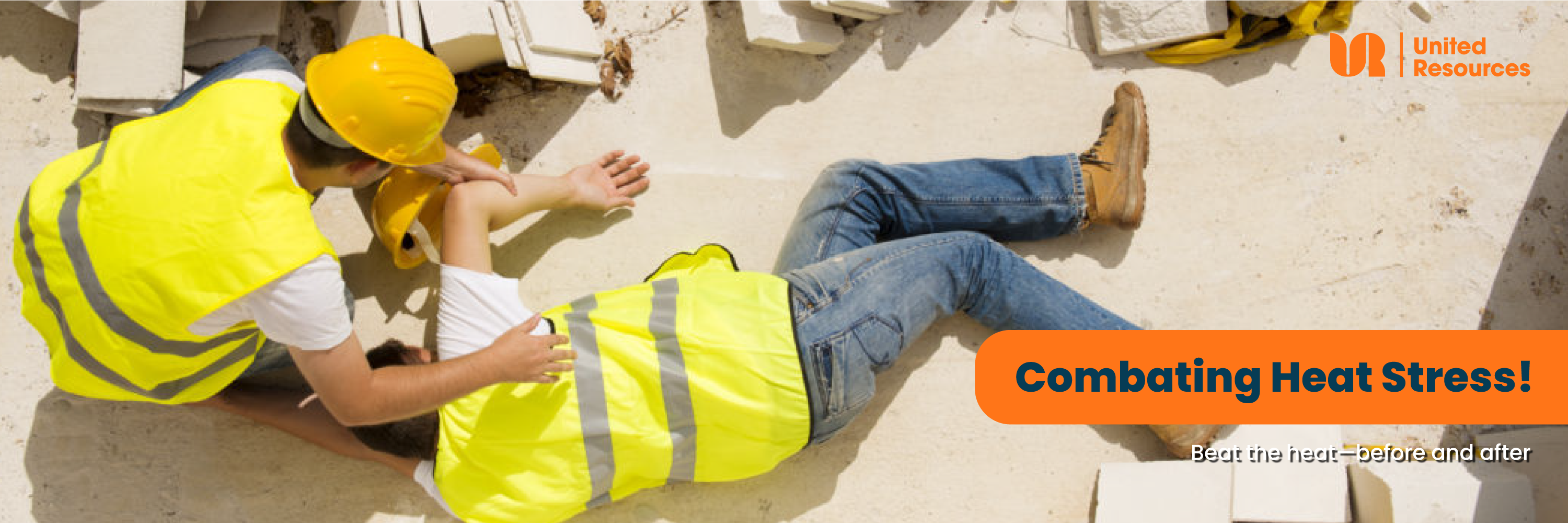
However, even if our prevention measures are strong, heat stress incidents can still happen. When they do, having a quick response is critical to saving the life of the worker.
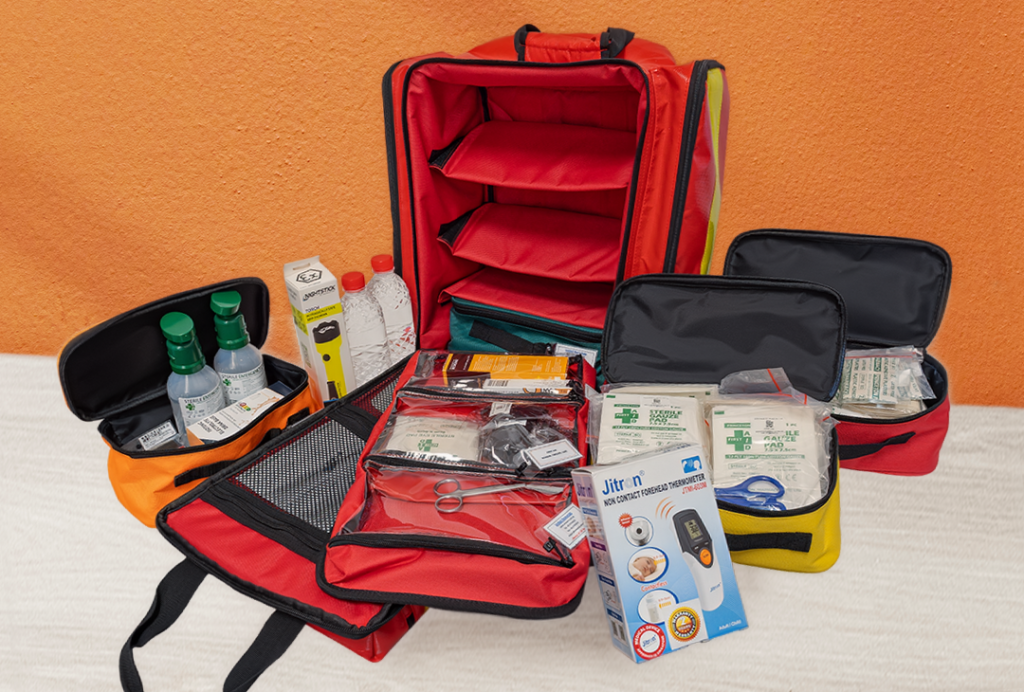
A Heat Stress First Aid Kit is designed to support immediate treatment. These kits typically include cooling packs, hydration support, and first aid essentials to stabilise a worker experiencing symptoms such as dizziness, fatigue, nausea: common early warning signs of heat exhaustion.
Treatment solutions are essential for:
- Emergency response readiness
- Remote or confined work environments
- High-risk operations
- Compliance with workplace safety protocols
Quick access to treatment can prevent heat exhaustion from escalating into more serious conditions like heat stroke.
Here’s Why You Need Both
Heat stress prevention and treatment are not interchangeable. They serve different but complementary purposes:
Cooling Vests (Prevention)
- Prevent heat stress
- Reduce fatigue
- Improve comfort and productivity
- Support long-duration work
First Aid Kits (Treatment)
- Treat heat stress symptoms
- Support emergency response
- Reduce severity of incidents
- Protect worker wellbeing
A comprehensive heat stress strategy cannot neglect either element. Prevention reduces risk, while treatment ensures readiness.
A Holistic Approach To Heat Safety
At United Resources, we believe effective safety solutions combine preparation and response. By equipping teams with both preventive cooling solutions and treatment-ready first aid kits, workplaces can better protect workers operating in challenging environments.
Because when it comes to heat stress, the safest approach is not choosing between prevention and treatment. It’s having both.