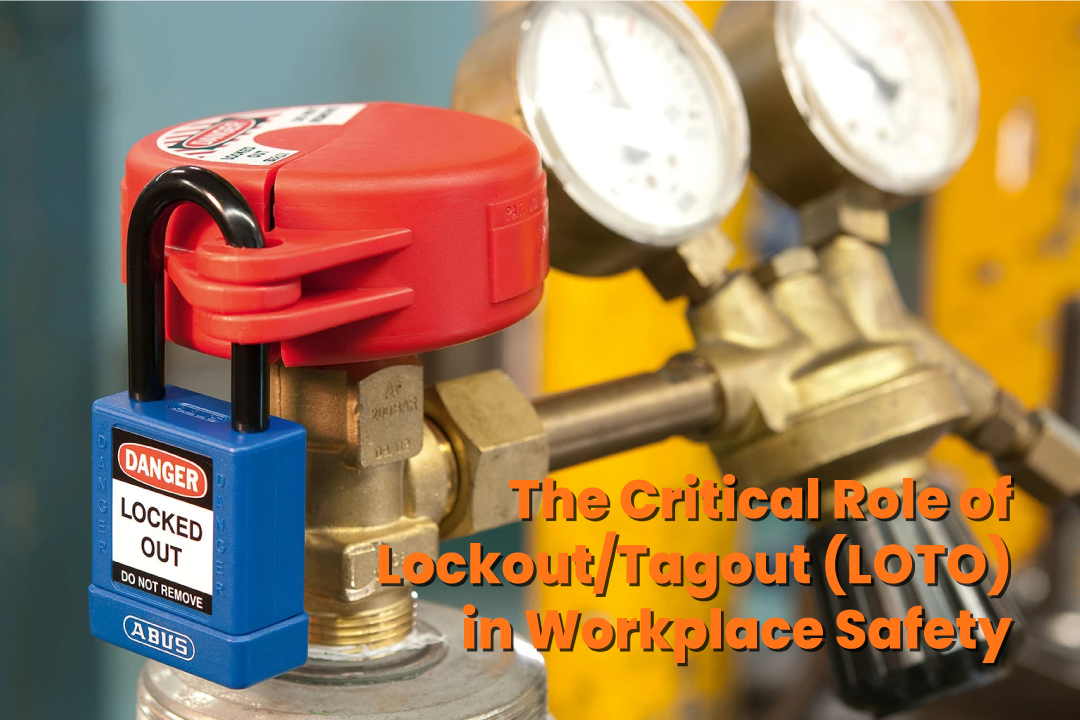
In workplace safety few systems are as universally critical as Lockout/Tagout (LOTO). No matter where you work, if some form of machinery is being used, LOTO is the foundation that prevents fatal incidents caused by accidental energy discharges.
As the year winds down and the holiday season rolls in, most people are thinking about wrapping gifts for their year-end gatherings, while wrapping up business matters before a well-deserved break. But in many worksites, there’s another kind of wrapping that deserves attention: wrapping your wire ropes in the lubrication they need to stay healthy, safe, and ready for the year ahead.
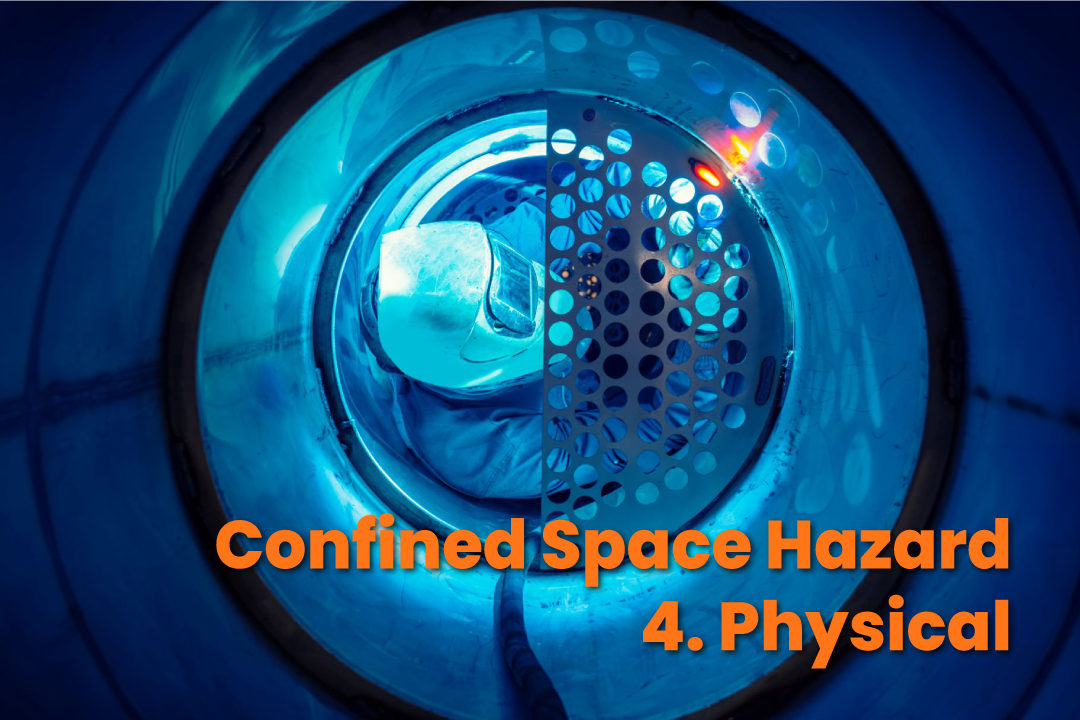
Physical hazards are often the most visible yet underestimated confined space danger. Unlike atmospheric or biological risks, physical hazards can be seen, touched, or heard. Yet many workers overlook them because they seem obvious or “manageable.”
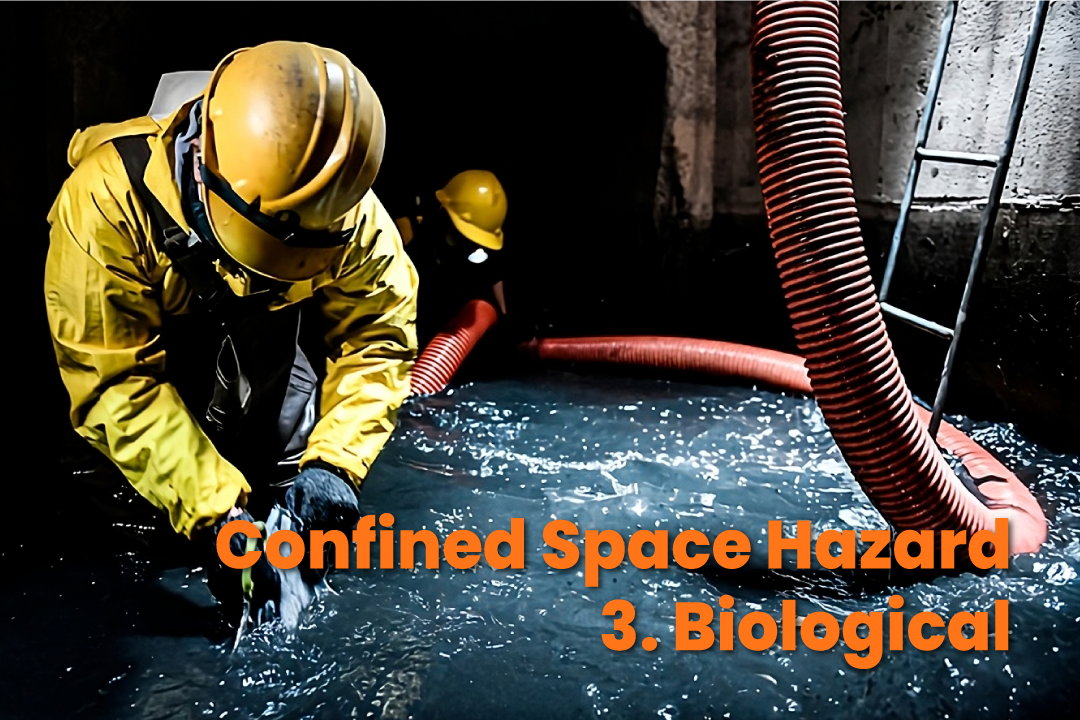
Biological hazards in confined spaces often receive less attention than atmospheric or structural risks, but they are just as dangerous. Biological threats build up slowly, invisibly, and without warning.
EN 342 is a globally-recognised European standard that specifies the performance requirements and test methods for personal protective equipment (PPE) designed for cold environments.
In many confined spaces, the most dangerous element isn’t what you can see: it’s what you can’t. Atmospheric hazards, such as oxygen deficiency, toxic gases, and flammable vapours, account for a majority of confined space fatalities worldwide.
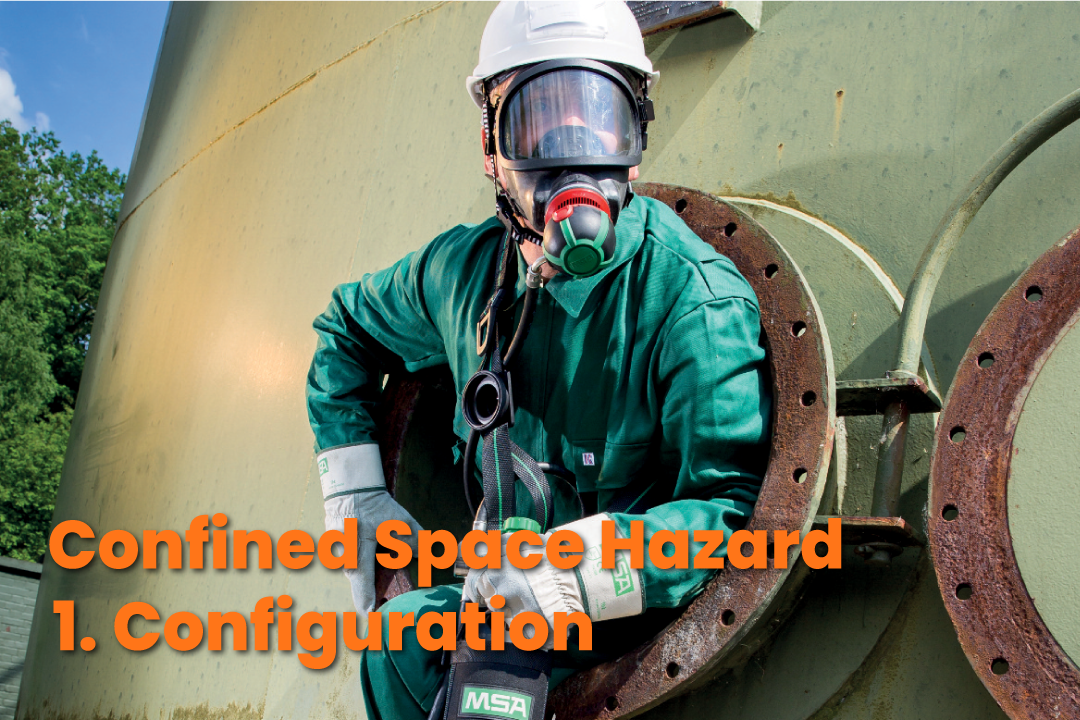
Configuration hazards are hidden in the physical design, layout, and access points of a confined space. The very geometry of a tank, manhole, or cargo hold determines how easily a worker enters, exits, or moves within it.